
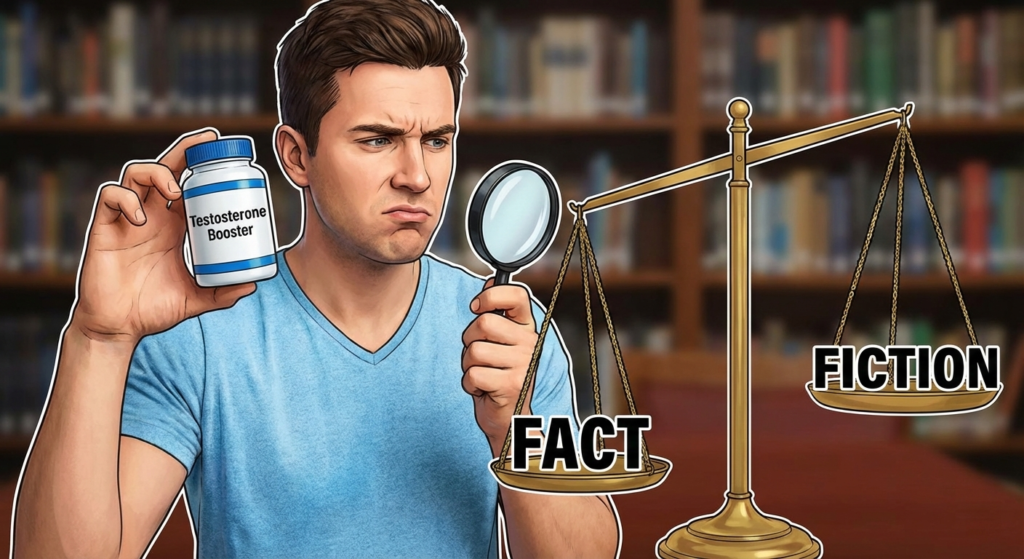
The global testosterone booster market exceeds $5 billion annually, yet a critical question remains: Do testosterone boosters actually work? Beneath bold marketing claims promising enhanced vitality and muscle growth lies a complex scientific reality. With shelves lined with “clinically proven” formulas, separating evidence from hype becomes essential. This comprehensive guide examines biological mechanisms, peer-reviewed research, ingredient efficacy, and safety profiles to determine whether natural supplements deliver measurable hormonal improvements or simply expensive placebo effects.
What Are Testosterone Boosters and How Do They Claim to Work
Testosterone boosters are over-the-counter dietary supplements formulated with vitamins, minerals, herbs, and amino acids marketed to increase endogenous testosterone production. Unlike testosterone replacement therapy (TRT), which introduces exogenous hormones, these products claim to stimulate your body’s natural synthesis pathways. Manufacturers suggest they work through three primary mechanisms: stimulating the hypothalamic-pituitary-gonadal axis to increase luteinizing hormone (LH) secretion, inhibiting aromatase enzymes that convert testosterone to estrogen, and reducing sex hormone-binding globulin (SHBG) to increase free testosterone availability. Additional claims include providing raw materials like cholesterol and zinc necessary for steroidogenesis, while adaptogenic ingredients supposedly reduce cortisol, thereby removing hormonal inhibition. Target demographics typically include men over 30 experiencing age-related decline, athletes seeking recovery advantages, and individuals reporting fatigue or reduced sexual function. These supplements position themselves as natural alternatives to pharmaceutical interventions, promising hormonal optimization without prescriptions or needles. However, the biological complexity of endocrine regulation raises questions about whether these pathways can be significantly manipulated through oral supplementation alone.
The Science Behind Test Booster Research: What Studies Actually Show
Clinical research regarding testosterone boosters presents a complicated landscape of modest benefits, methodological limitations, and significant placebo effects. A comprehensive 2020 meta-analysis published in the Journal of Sexual Medicine examined 27 randomized controlled trials and found that while certain ingredients demonstrated statistically significant increases in testosterone, the clinical relevance often remained questionable. Most studies reported increases between 10-30% in men with baseline deficiencies, but rarely pushed participants into optimal ranges. Furthermore, many positive trials suffer from industry funding bias, small sample sizes (often fewer than 50 participants), and short durations (4-12 weeks).
D-Aspartic Acid (DAA), one of the most studied ingredients, showed initial promise in 2009 research with 3g daily doses increasing testosterone by 42% in sedentary men. However, subsequent studies on resistance-trained athletes found negligible effects, suggesting that baseline fitness levels mediate responsiveness. Similarly, fenugreek demonstrates consistent libido enhancement but inconsistent evidence for actual testosterone elevation beyond 10-15% in most trials.
The placebo effect proves particularly powerful in hormonal research. Studies utilizing sham interventions frequently report subjective improvements in energy and vitality despite unchanged biochemical markers. This psychological component complicates consumer interpretation of anecdotal testimonials.
Critically, no natural supplement has demonstrated the ability to raise testosterone equivalent to pharmaceutical TRT (which typically achieves 300-1000% increases in hypogonadal men). For men with clinically normal levels (300-1000 ng/dL), boosters appear largely ineffective, while those with subclinical deficiencies may experience marginal improvements insufficient to resolve symptoms of true hypogonadism.

Most Common Ingredients in Natural Testosterone Supplements
The ingredient profiles of testosterone boosters typically feature a recurring cast of compounds with varying degrees of scientific support. D-Aspartic Acid functions as an amino acid regulator that theoretically stimulates LH release from the pituitary gland, though its efficacy diminishes in trained athletes. Fenugreek seed extract contains compounds that may inhibit enzymes converting testosterone to dihydrotestosterone (DHT) while potentially enhancing free testosterone through SHBG modulation.
Zinc and magnesium (often combined as ZMA) address deficiency-related hypogonadism; zinc acts as a critical cofactor for 5-alpha-reductase and aromatase enzymes, while magnesium influences testosterone-bound SHBG levels. However, supplementation only benefits those with insufficient dietary intake. Vitamin D3 operates similarly—men with serum levels below 20 ng/mL frequently see improvements when supplemented to 30-50 ng/mL, while replete individuals experience no hormonal changes.
Ashwagandha (Withania somnifera) stands out among adaptogens, with multiple studies showing 10-15% testosterone increases alongside cortisol reduction, particularly in stressed populations. Tongkat Ali (Eurycoma longifolia) demonstrates promise for improving free testosterone by reducing SHBG binding capacity.
Conversely, Tribulus terrestris, despite popularity in bodybuilding circles, consistently fails to increase testosterone in clinical trials, though it may enhance libido through nitric oxide pathways. Similarly, deer antler velvet and DHEA show limited efficacy and potential regulatory concerns regarding prohormone content.
Are Test Boosters Safe? Side Effects and Health Considerations
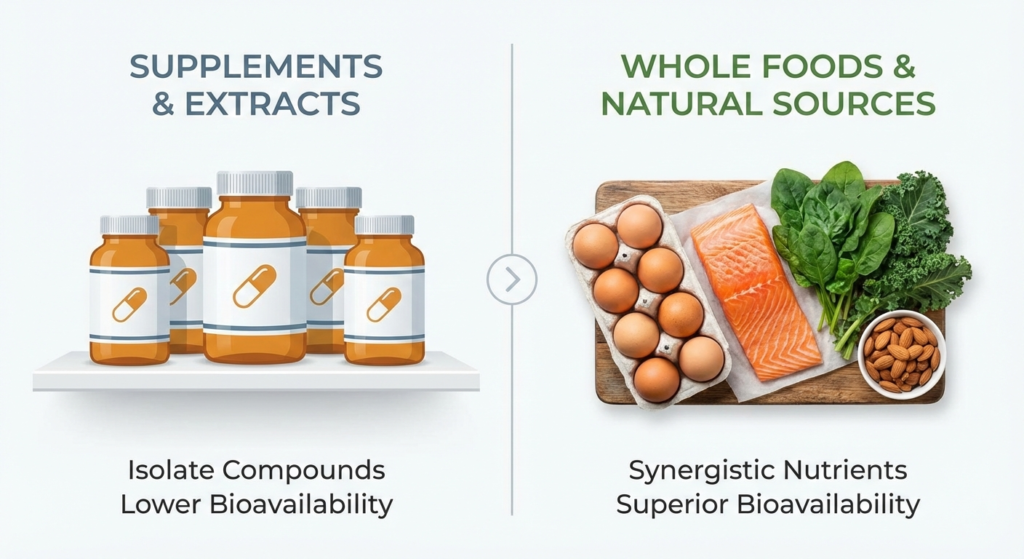
While most testosterone booster ingredients fall under the FDA’s Generally Recognized As Safe (GRAS) designation, safety profiles warrant careful consideration, particularly for long-term usage. Common side effects include acne vulgaris, increased aggression or mood instability, and sleep disturbances. More concerning, supplements elevating androgen levels—even modestly—may exacerbate benign prostatic hyperplasia (BPH) or accelerate existing prostate cancer growth, necessitating avoidance for men with prostate health concerns.
Sleep apnea represents another contraindication, as even slight testosterone increases can worsen upper airway collapse during sleep. Fertility considerations matter significantly; while less suppressive than exogenous testosterone, some ingredients may theoretically reduce spermatogenesis through feedback inhibition of the hypothalamic-pituitary axis.
Hepatotoxicity risks emerge with certain herbal extracts, particularly those containing high concentrations of alkaloids or when products contain undeclared pharmaceutical adulterants. The supplement industry’s limited regulation creates contamination risks; a 2022 JAMA study found that 12% of testosterone boosters contained unlisted synthetic steroids or prohormones capable of causing liver damage and positive drug tests.
Drug interactions present additional hazards, particularly with blood thinners, diabetes medications, and immunosuppressants. Quality control varies dramatically between brands, making third-party testing essential for safety assurance.
Who Might Benefit From Testosterone Boosters vs. Who Should Avoid Them
Identifying appropriate candidates requires understanding the distinction between pathological hypogonadism and age-related decline. Men with subclinical deficiencies—specifically those with total testosterone between 250-400 ng/dL accompanied by symptoms—may experience marginal benefits, particularly if deficiencies stem from micronutrient gaps or chronic stress. Athletes undergoing overtraining syndrome sometimes benefit from adaptogenic formulas that restore hormonal balance during recovery periods.
However, specific populations should strictly avoid these supplements. Men under 25 rarely require hormonal intervention, as endogenous production typically peaks naturally. Those with prostate cancer history, severe lower urinary tract symptoms, or untreated sleep apnea face unacceptable risk profiles. Men with diagnosed hypogonadism (below 250 ng/dL) require medical TRT rather than supplements, as natural boosters prove insufficient for severe deficiencies.
Individuals taking corticosteroids, anticoagulants, or hormone therapies should avoid boosters due to interaction risks. Finally, men seeking physique enhancement with normal baseline levels (above 500 ng/dL) will likely experience only placebo effects while risking side effects. Blood testing remains essential before initiation, as symptoms of low testosterone often overlap with thyroid disorders, depression, or sleep apnea.
Proven Ways to Increase Testosterone Naturally Without Supplements
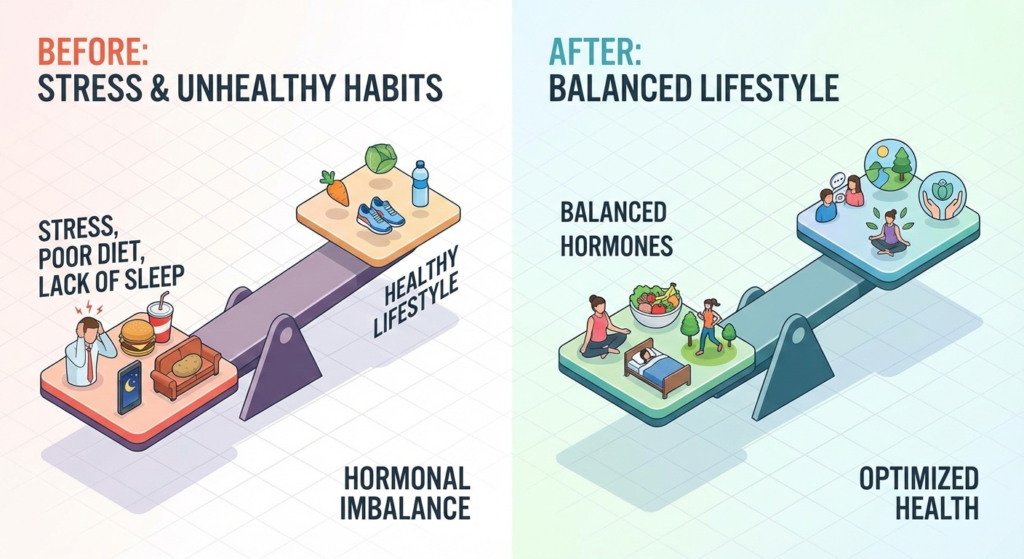
Lifestyle interventions consistently demonstrate superior efficacy compared to over-the-counter supplements for optimizing hormonal health. Resistance training, particularly compound movements like squats, deadlifts, and bench presses, induces acute testosterone spikes and chronic adaptations when performed 3-4 times weekly with heavy loads (75-85% one-repetition maximum). High-intensity interval training (HIIT) offers complementary benefits, though excessive endurance training may suppress androgen production.
Sleep quality represents the most critical factor; achieving 7-9 hours of restorative sleep, particularly during REM cycles, facilitates maximal growth hormone and testosterone pulsatile release. Research indicates that sleeping fewer than five hours reduces testosterone by 10-15%, comparable to aging ten years. Optimizing sleep hygiene through temperature regulation, light elimination, and consistent schedules proves more effective than supplementation.
Body composition management significantly influences endocrine function. Visceral adipose tissue contains aromatase enzymes that convert testosterone to estradiol; reducing waist circumference below 37 inches typically improves hormonal ratios. Nutritional strategies emphasizing monounsaturated fats, cholesterol-rich whole eggs, and cruciferous vegetables (which contain indole-3-carbinol supporting estrogen metabolism) support steroidogenesis.
Stress reduction through mindfulness or meditation lowers cortisol, thereby removing negative feedback inhibition on testosterone production. Limiting alcohol consumption (particularly beer containing phytoestrogens) and avoiding endocrine disruptors like BPA and phthalates found in plastics further protects hormonal balance. Sunlight exposure for vitamin D synthesis, when combined with weight management, often outperforms oral vitamin D supplementation alone.

How to Choose Quality Supplements If You Decide to Try Them
If pursuing supplementation after medical consultation, prioritize products bearing third-party certifications from NSF Certified for Sport, Informed Choice, or USP Verified programs. These seals indicate contamination testing and verification of ingredient identity. Avoid proprietary blends that obscure individual ingredient dosages, preventing assessment of clinical efficacy compared to research trials.
Scrutinize label claims carefully; legitimate supplements avoid terms like “steroid alternative,” “prohormone,” or promises of “500% testosterone increases.” Verify that ingredient dosages match those used in positive clinical studies—often requiring 3g of DAA, 500mg of fenugreek, or 300mg of ashwagandha daily. Check expiration dates and storage requirements, as herbal compounds degrade when exposed to heat or moisture.
Research the manufacturer’s reputation through FDA warning letter databases and consumer reports. Reputable companies conduct heavy metal testing and provide certificates of analysis. Finally, establish baseline hormone panels before beginning supplementation and reassess after 8-12 weeks to objectively determine efficacy, discontinuing use if no measurable improvements occur.