
Building lean muscle mass requires more than just lifting heavy weights and eating chicken breast. While progressive overload and caloric surpluses form the foundation of hypertrophy, strategic supplementation can accelerate your results and bridge nutritional gaps. With thousands of products promising overnight transformations, identifying the best muscle building supplements becomes crucial for natural athletes and serious lifters alike.
This comprehensive guide cuts through marketing hype to examine evidence-based compounds that genuinely support muscle protein synthesis, enhance recovery, and optimize anabolic hormones. Whether you are a beginner struggling to gain your first ten pounds or an advanced bodybuilder breaking through plateaus, understanding which supplements actually work will save you money and maximize your genetic potential.
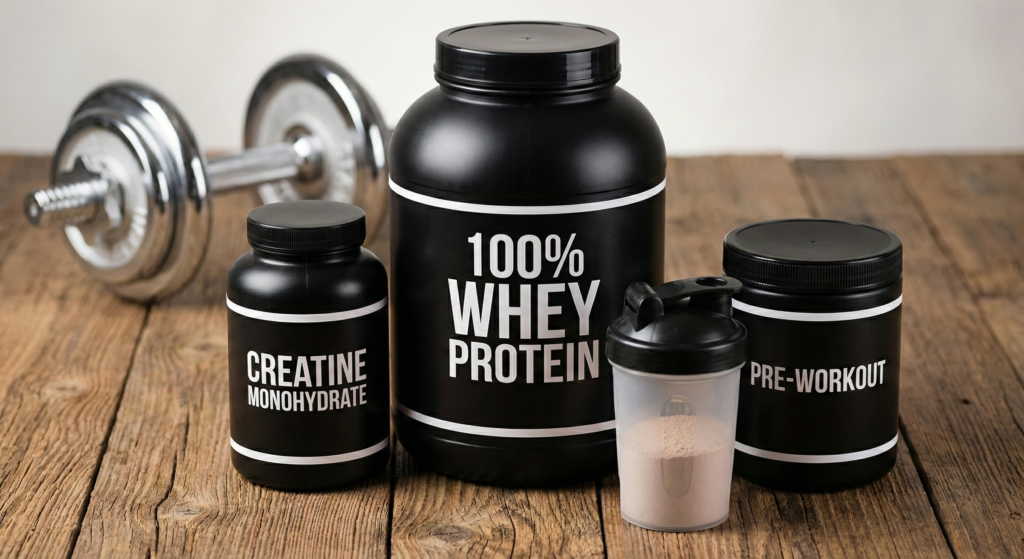
Introduction to Muscle Building Supplements
The dietary supplement industry generates billions annually, yet not all products deliver on their promises. Effective muscle building supplements operate through specific physiological mechanisms: increasing muscle protein synthesis, decreasing protein breakdown, enhancing cellular energy production, or supporting anabolic hormone production.
Before exploring individual compounds, understand that no supplement outperforms consistent training, adequate protein intake, and quality sleep. However, when these fundamentals are locked in, the right supplements can provide that extra 5-10% advantage that separates good physiques from exceptional ones. The key lies in selecting compounds backed by peer-reviewed research rather than influencer endorsements.
The Science Behind Muscle Hypertrophy and Supplementation
Muscle growth occurs when muscle protein synthesis (MPS) exceeds muscle protein breakdown (MPB) over sustained periods. This anabolic state requires adequate amino acids, cellular energy, and hormonal support. The best muscle building supplements target these pathways directly.
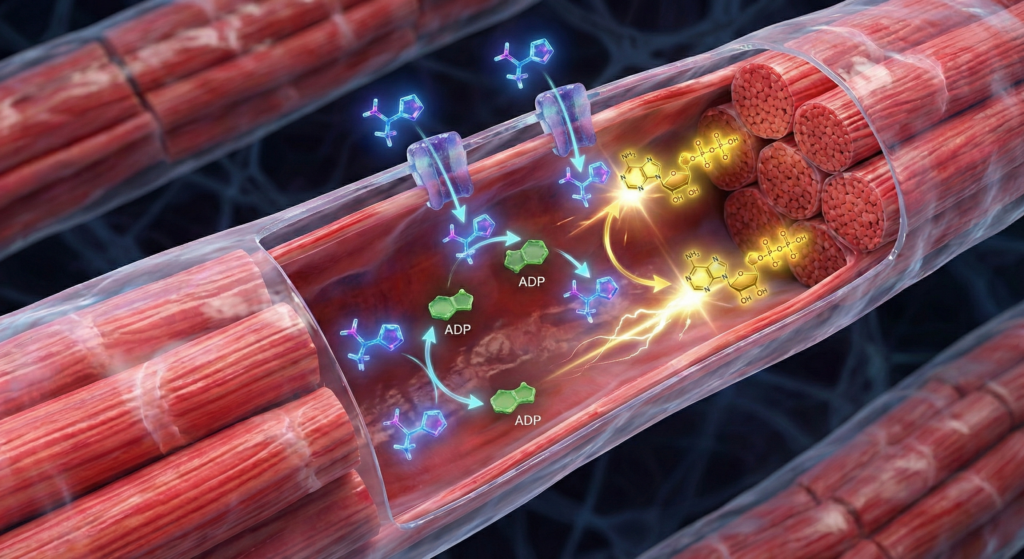
Creatine phosphate regeneration enhances ATP availability for high-intensity contractions, while leucine-rich protein sources activate the mTOR pathway—the molecular switch for muscle building. Meanwhile, compounds like HMB reduce muscle damage markers, allowing for faster recovery between sessions. Understanding these mechanisms helps you select supplements that complement your specific training phase, whether bulking, cutting, or maintaining.
Protein Powders: Whey, Casein, and Plant-Based Options
Dietary protein remains the most critical macronutrient for hypertrophy, with research suggesting intakes between 0.7-1.0 grams per pound of bodyweight for optimal growth. While whole food sources should dominate your nutrition, protein powders offer convenience and rapid absorption during anabolic windows.
Whey Protein dominates the market for good reason. Whey isolate and hydrolysate provide complete amino acid profiles with minimal lactose, making them ideal post-workout when fast digestion matters most. Studies consistently show whey stimulates MPS more effectively than casein immediately following resistance training due to its rapid absorption rate.
Casein Protein offers the opposite benefit—slow, sustained amino acid release over 6-8 hours. Micellar casein forms a gel in the stomach, making it perfect before bed to prevent catabolism during sleep. Research published in the Journal of Nutrition demonstrates that pre-sleep casein consumption increases overnight MPS by approximately 22%.
Plant-Based Proteins have evolved significantly, with pea protein, rice protein, and pumpkin seed blends now offering complete amino acid profiles. While individual plant proteins often lack sufficient lysine or methionine, strategic combining (pea plus rice) creates amino acid scores rivaling animal sources. For vegan athletes, these represent essential tools for meeting elevated protein requirements without excessive calories.
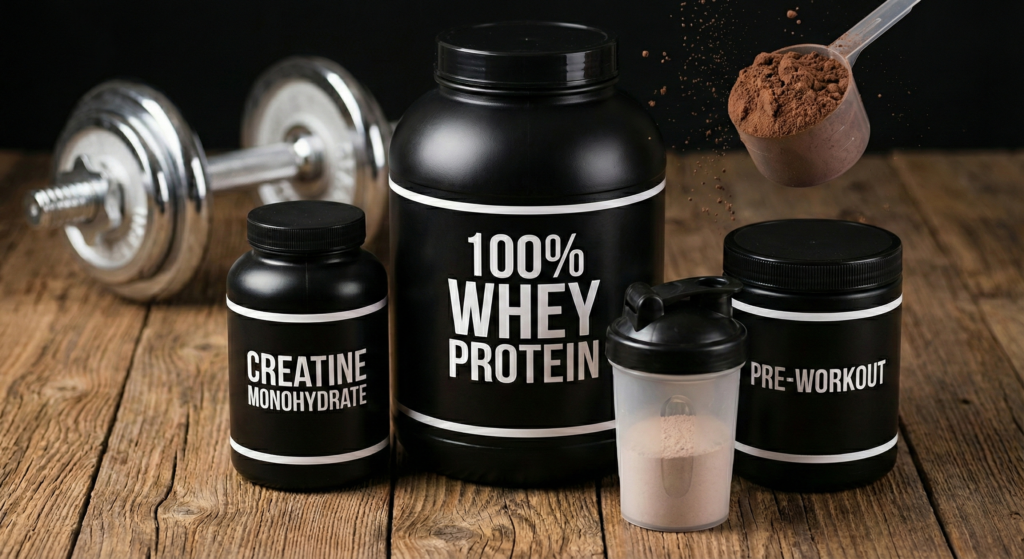
Creatine Monohydrate: The Gold Standard for Strength
If you choose only one supplement from this list, make it creatine monohydrate. With over 1,000 peer-reviewed studies supporting its efficacy and safety, creatine stands as the most researched performance enhancer available. It works by saturating muscle cells with phosphocreatine, which rapidly regenerates ATP during explosive movements.
The benefits extend beyond strength gains. Creatine increases intracellular water retention, creating an environment conducive to protein synthesis. Users typically gain 2-4 pounds of water weight initially, followed by measurable increases in lean mass over 4-12 weeks. Neurological benefits include improved cognitive function and reduced mental fatigue during high-volume training blocks.
Dosing protocols vary, but research supports either a loading phase (20 grams daily for 5-7 days) followed by 3-5 grams maintenance, or simply starting with 5 grams daily without loading. Both methods achieve full saturation within a month. Creapure® certified creatine ensures pharmaceutical-grade purity, eliminating concerns about contaminants common in cheaper alternatives.
Amino Acids: BCAAs and EAAs for Enhanced Recovery
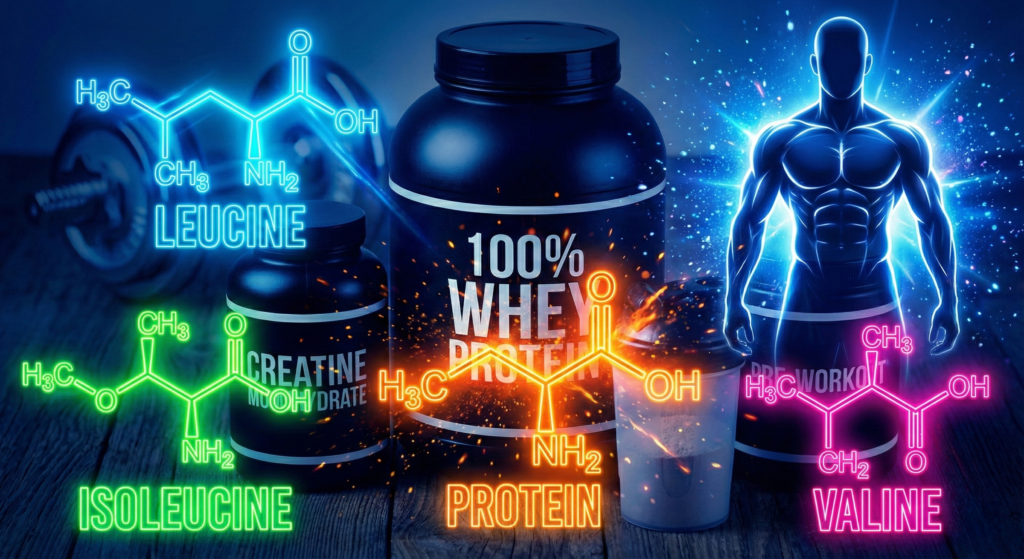
Branched-chain amino acids (BCAAs)—leucine, isoleucine, and valine—once dominated supplement shelves, but recent research suggests a more nuanced approach. While BCAAs stimulate MPS, they cannot sustain it without the remaining six essential amino acids (EAAs). Think of BCAAs as the ignition switch, but EAAs as the fuel required to drive muscle growth forward.
For individuals consuming adequate protein (1g+/lb bodyweight), standalone BCAA supplementation shows minimal benefit. However, during fasted training or caloric deficits, EAAs become invaluable for preventing muscle catabolism. Leucine specifically serves as the primary trigger for mTOR activation, with research suggesting a 3-gram threshold per serving to maximize anabolic signaling.
Quality EAA supplements provide all nine essential amino acids in ratios mimicking human muscle tissue, typically featuring 2:1:1 or 4:1:1 leucine-to-isoleucine-to-valine ratios. These prove particularly effective intra-workout during extended training sessions lasting over 90 minutes.
Beta-Alanine and Citrulline Malate: Performance Enhancers
These two compounds target muscular endurance and blood flow, allowing you to perform more volume—the primary driver of hypertrophy. Beta-alanine increases intramuscular carnosine concentrations, buffering acid accumulation during high-rep sets. The characteristic “tingling” sensation (paresthesia) indicates proper dosing, though sustained-release formulations minimize this side effect.
Research indicates that 4-6 grams daily over 4 weeks increases muscle carnosine by up to 60%, delaying fatigue during sets of 8-15 repetitions. This translates to 1-2 additional reps per set, accumulating significant extra volume over months of training.
Citrulline Malate enhances nitric oxide production more effectively than arginine, promoting vasodilation and nutrient delivery. The malate component contributes to the tricarboxylic acid (TCA) cycle, potentially reducing muscle soreness by 40% according to published studies. Doses of 6-8 grams pre-workout create noticeable pumps and improved nutrient partitioning to working muscles.
HMB and Phosphatidic Acid: Anti-Catabolic Support
While less mainstream than creatine, these compounds offer unique benefits for natural athletes. HMB (β-Hydroxy β-Methylbutyrate), a metabolite of leucine, inhibits the ubiquitin-proteasome proteolytic pathway—the system responsible for muscle breakdown. During aggressive cutting phases or high-stress training periods, 3 grams of HMB daily helps preserve lean mass.
Phosphatidic Acid activates mTOR signaling independently of amino acids, potentially amplifying the anabolic response to resistance training. Clinical trials show increases in lean body mass and strength when combined with structured resistance programs, though results are more modest than creatine. These supplements shine during periods of caloric restriction when maintaining muscle becomes the primary challenge.
Micronutrients: Vitamin D, Zinc, and Magnesium for Anabolic Health
Macronutrients steal the spotlight, but specific micronutrients govern anabolic hormone production. Vitamin D functions as a steroid hormone precursor, with deficiencies correlating to lower testosterone levels. Natural athletes should maintain serum 25(OH)D levels above 40 ng/mL, often requiring 2,000-5,000 IU daily supplementation, especially during winter months.
Zinc and Magnesium support testosterone synthesis and sleep quality respectively. Zinc deficiency rapidly reduces androgen levels, while magnesium deficiency impairs recovery and increases cortisol. ZMA formulations (Zinc Monomethionine Aspartate, Magnesium Aspartate, and Vitamin B6) taken before bed enhance sleep architecture, indirectly supporting growth hormone release during deep sleep phases.
How to Stack Good Supplements for Muscle Growth
Strategic timing maximizes supplement synergy. Consider this evidence-based approach:
- Upon Waking: Vitamin D3 with breakfast, 3-5g Creatine
- Pre-Workout (30-45 mins): Citrulline Malate (6-8g), Beta-Alanine (3-5g), Caffeine (optional)
- Intra-Workout: EAAs (10-15g) during sessions exceeding 75 minutes
- Post-Workout: Whey Isolate (25-50g) with fast-acting carbohydrates
- Before Bed: Micellar Casein (30-40g), Magnesium, Zinc
This stack covers all anabolic bases without redundancy. Avoid combining stimulants with evening doses, and space calcium intake away from zinc to prevent absorption competition.

Safety Standards and Third-Party Testing Considerations
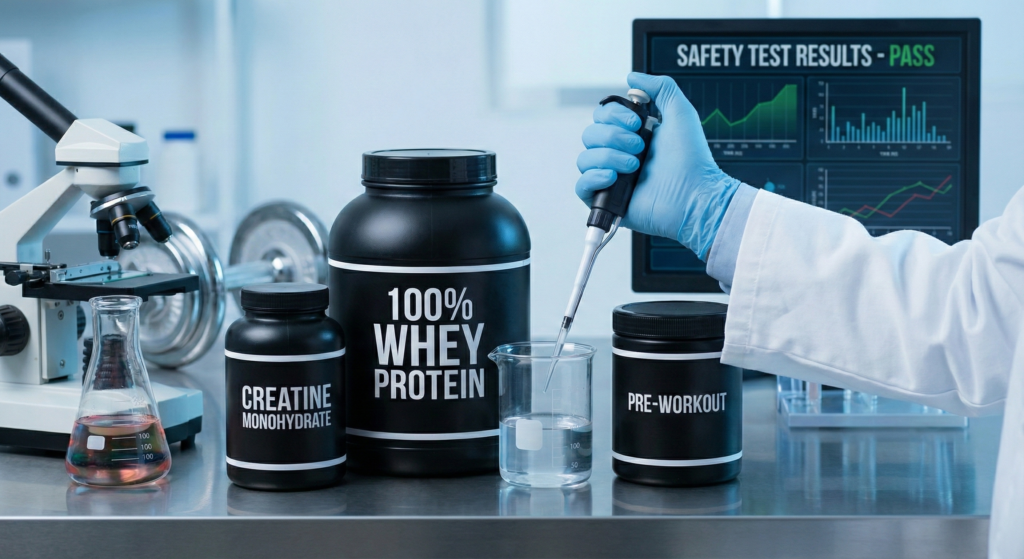
The supplement industry operates with less regulation than pharmaceuticals, making quality control essential. Look for products certified by NSF Certified for Sport, Informed Choice, or BSCG (Banned Substances Control Group). These third-party tests verify label claims and screen for heavy metals, pesticides, and banned substances.
Avoid proprietary blends that hide individual ingredient doses. Transparency allows you to verify effective dosing against clinical research. Additionally, check manufacturing facilities follow cGMP (Current Good Manufacturing Practice) standards. The best muscle building supplements come from companies providing Certificates of Analysis (CoA) upon request, demonstrating commitment to purity over profit margins.
Frequently Asked Questions About Muscle Booster Supplements
Do I need supplements to build muscle? No, but they accelerate progress when training and nutrition are optimized. Whole foods always form the foundation.
How long until I see results? Creatine shows effects within 2-4 weeks. Protein supports immediate recovery, while hormonal supplements like Vitamin D may take 8-12 weeks to optimize blood levels.
Are these supplements safe long-term? Creatine, protein, and amino acids boast decades of safety data. Cycle off stimulants every 8-12 weeks to maintain sensitivity.
Can women use these supplements? Absolutely. Women respond similarly to creatine and protein, though total caloric needs differ. These compounds support lean muscle without causing “bulk” without appropriate caloric surpluses.
Final Thoughts on Maximizing Your Physique
Selecting the best muscle building supplements requires understanding your individual needs, training intensity, and dietary gaps. Start with the fundamentals—creatine monohydrate and adequate protein—before adding advanced compounds like citrulline or HMB. Track your progress objectively, adjusting dosages based on body composition changes and performance metrics rather than marketing claims.
Remember that supplements supplement; they never replace consistent progressive overload, nutrient-dense whole foods, and restorative sleep. By combining evidence-based supplementation with disciplined training, you create the optimal environment for sustained muscle growth and long-term athletic development.