

The Body Recompositing Challenge
Achieving simultaneous muscle hypertrophy and adipose tissue reduction represents the holy grail of physique transformation. For decades, fitness enthusiasts accepted the dogma that bulking and cutting must remain distinct, sequential phases. However, contemporary nutritional science and strategic supplementation have shattered this paradigm, rendering body recomposition achievable for dedicated athletes and recreational lifters alike.
As we navigate the evolving landscape of sports nutrition in 2024, the integration of evidence-based ergogenic aids has transformed what was once considered metabolically impossible into a sustainable reality. The best supplements for muscle gain and fat loss function not through magic, but through sophisticated physiological mechanisms that enhance nutrient partitioning, amplify metabolic rate, and preserve anabolic signaling during caloric deficit. This comprehensive guide examines the clinically validated compounds that enable you to build lean tissue while incinerating stubborn body fat.
The Physiology of Building Muscle While Burning Fat
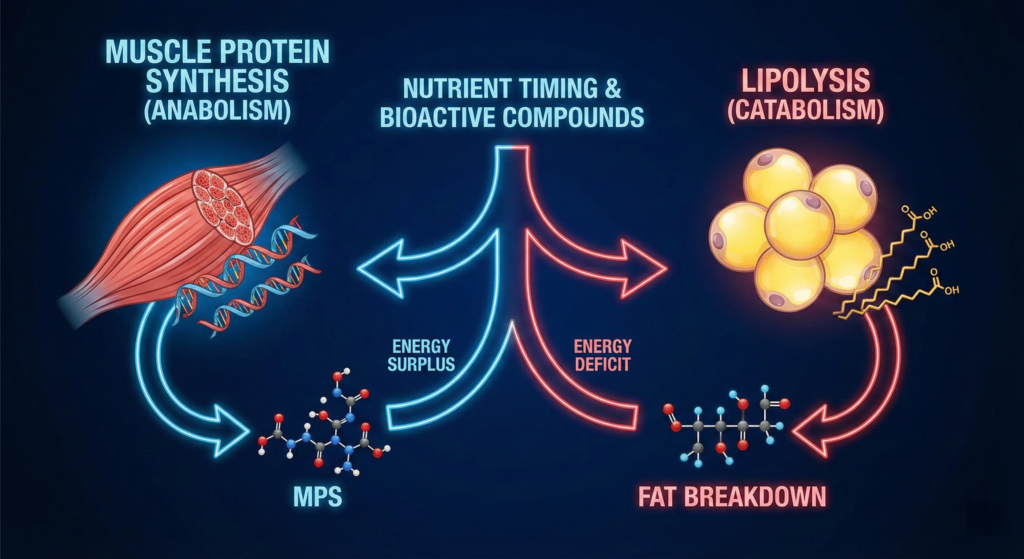
Body recomposition requires manipulating two opposing metabolic pathways: muscle protein synthesis (MPS) and lipolysis. Traditionally, these processes demanded distinct energetic environments—surplus calories for anabolism and deficit for catabolism. Modern understanding reveals that strategic nutrient timing and specific bioactive compounds can decouple these requirements.
Protein synthesis relies upon mTOR activation and adequate essential amino acid availability, particularly leucine. Concurrently, fat oxidation requires hormonal environments favoring catecholamine release and insulin sensitivity. The supplements to burn fat and build muscle work by creating a metabolic milieu where muscle cells remain insulin-sensitive and anabolically responsive while adipocytes release stored fatty acids for fuel.
Caloric partitioning determines whether consumed nutrients fuel muscle growth or fat storage. By improving insulin sensitivity and cellular energy status, specific supplements direct carbohydrates toward glycogen replenishment and muscle fullness rather than de novo lipogenesis. This metabolic flexibility allows practitioners to maintain strength and muscle mass despite operating in mild caloric deficits.
Key Ingredients in Dual-Action Supplements
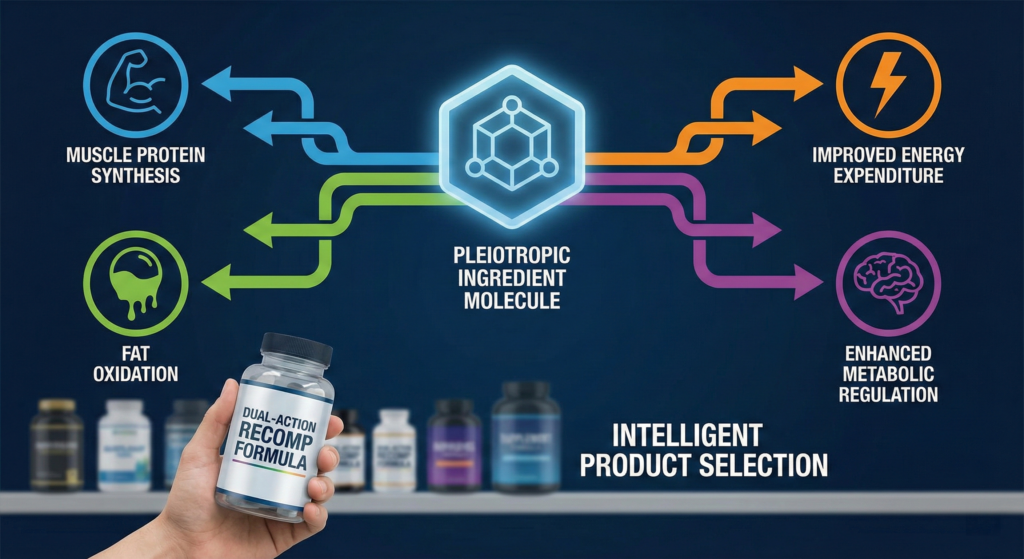
Effective body recomposition supplements leverage compounds possessing pleiotropic effects—molecules influencing multiple metabolic pathways simultaneously. Understanding these mechanisms enables intelligent product selection and stacking protocols.
Caffeine anhydrous serves as the cornerstone of best fat burning muscle building supplement formulations, increasing lipolysis through catecholamine release while simultaneously improving neuromuscular recruitment and training intensity. Creatine monohydrate preserves phosphocreatine stores during hypocaloric periods, maintaining power output and cellular hydration without adding adiposity.
Protein isolates provide the substrate necessary for MPS while possessing high thermic effects that increase energy expenditure. Epigallocatechin gallate (EGCG) from green tea extract inhibits enzymes responsible for norepinephrine degradation, prolonging metabolic elevation while exhibiting anti-catabolic properties. Beta-hydroxy-beta-methylbutyrate (HMB) attenuates muscle protein breakdown during fasted or deficit states, preserving hard-earned lean mass when calories drop.
Protein Powders: Preserving Muscle in a Deficit
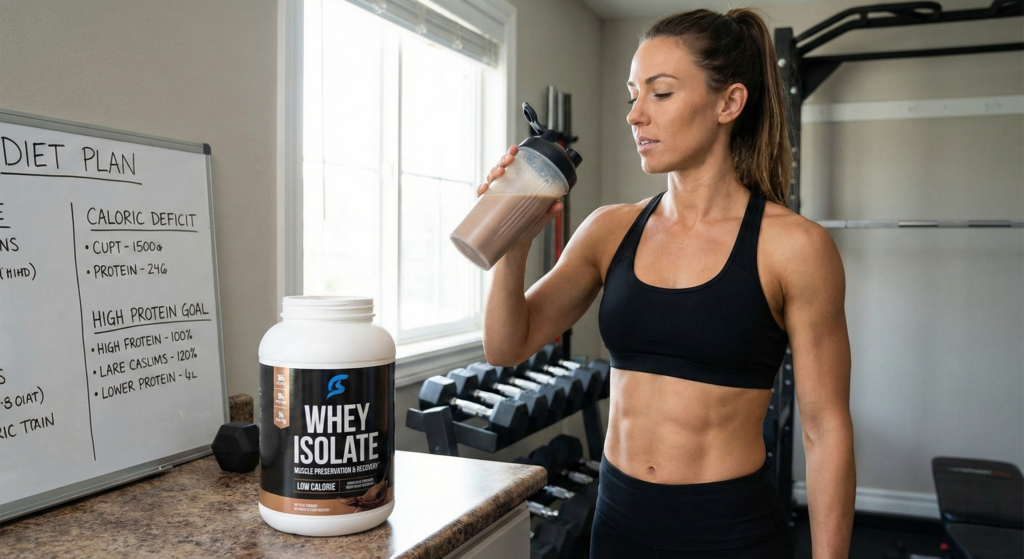
Dietary protein represents the non-negotiable foundation of body recomposition. When caloric intake decreases, adequate protein consumption becomes paramount to prevent nitrogen loss and muscle catabolism. Best supplements for muscle gain and fat loss invariably include high-quality protein sources that maximize satiety while minimizing caloric load.
Whey protein isolate delivers rapid amino acid availability, particularly rich in leucine, which triggers mTOR phosphorylation and initiates muscle repair. Its rapid digestion makes it ideal for post-workout anabolic windows or breakfast consumption after overnight fasting. Casein protein provides sustained amino acid release through its micellar structure, preventing muscle breakdown during extended periods between meals or sleep.
Plant-based alternatives including pea, rice, and hemp protein isolates have achieved amino acid profiles rivaling dairy sources through strategic blending. These options suit lactose-intolerant individuals while providing comparable MPS stimulation when leucine content reaches threshold levels.
Optimal timing strategies include consuming 20-40 grams immediately post-resistance training to capitalize on enhanced blood flow and nutrient sensitivity. Additionally, distributing protein intake evenly across four to five meals maintains elevated muscle protein synthesis throughout the day while maximizing thermic effect of feeding.
Creatine Monohydrate: Performance Without Compromise
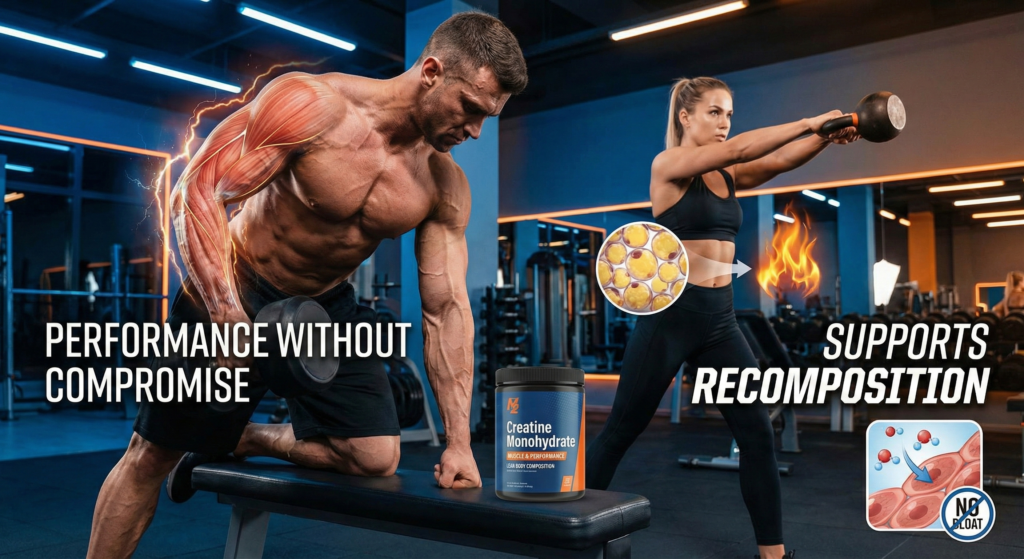
Perhaps no supplement better exemplifies the supplements to burn fat and build muscle category than creatine monohydrate. Despite persistent myths regarding water retention and bloating, research consistently demonstrates that creatine supports body recomposition through multiple mechanisms.
During caloric restriction, phosphocreatine depletion limits high-intensity performance, potentially compromising training stimulus necessary for muscle retention. Supplementing with 3-5 grams daily maintains intramuscular creatine stores, preserving strength and power output despite energy deficits. This performance maintenance ensures progressive overload continues, signaling anabolic adaptation even while dieting.
Contrary to popular belief, creatine-induced cell volumization occurs primarily within muscle tissue rather than subcutaneous water retention. This intracellular hydration actually enhances muscle protein synthesis and glycogen storage capacity. The best fat burning muscle building supplement stacks invariably include this affordable, safe compound that has demonstrated efficacy across thousands of peer-reviewed studies.
Thermogenics and Metabolic Enhancers
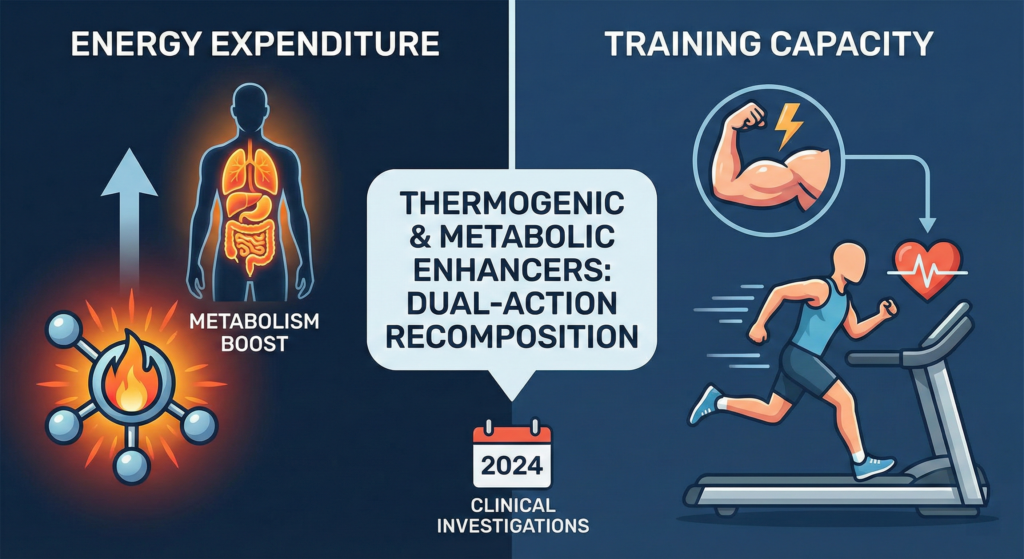
Thermogenic compounds elevate energy expenditure while preserving or enhancing training capacity—a crucial combination for body recomposition. Recent clinical investigations throughout 2024 have further validated specific ingredients for their dual-action capabilities.
Green tea extract standardized for EGCG content increases 24-hour energy expenditure by 4-8% through enhanced norepinephrine activity and fat oxidation. Simultaneously, its antioxidant properties reduce exercise-induced oxidative stress, potentially accelerating recovery between sessions. Capsaicinoids derived from chili peppers activate transient receptor potential vanilloid 1 (TRPV1) channels, increasing metabolic rate and promoting brown adipose tissue activation.
L-carnitine L-tartrate facilitates fatty acid transport into mitochondria for beta-oxidation while potentially enhancing androgen receptor density in muscle tissue. This unique mechanism supports both fat utilization and anabolic signaling. Caffeine anhydrous remains the most researched ergogenic aid, improving lipolysis, thermogenesis, and resistance training performance when dosed between 3-6 mg per kilogram of body weight.
Advanced Supplements to Burn Fat and Build Muscle
Beyond foundational supplements, several advanced compounds offer specialized support for body recomposition goals. These ingredients address specific physiological bottlenecks that limit simultaneous muscle gain and fat loss.
Conjugated linoleic acid (CLA) modulates peroxisome proliferator-activated receptors (PPARs), influencing lipid metabolism and potentially reducing adipocyte size while supporting lean mass retention. Ashwagandha (Withania somnifera) reduces cortisol concentrations, preventing stress-induced muscle catabolism and abdominal fat accumulation while improving testosterone production and recovery metrics.
Omega-3 fatty acids enhance insulin sensitivity and reduce inflammatory markers, creating favorable conditions for nutrient partitioning. They also support muscle protein synthesis through mTOR pathway modulation. Beta-alanine increases intramuscular carnosine concentrations, buffering acidity during high-rep training and improving work capacity during caloric restriction when fatigue typically compromises session quality.
The Science of Stacking for Body Recomposition
Strategic combination of best supplements for muscle gain and fat loss creates synergistic effects exceeding individual ingredient capabilities. However, timing and compatibility require careful consideration to avoid antagonistic interactions or overstimulation.
Morning protocols should emphasize metabolic activation and anti-catabolic protection. Combining caffeine with green tea extract and HMB provides energy, fat oxidation, and muscle preservation during fasted or low-calorie morning periods. Pre-workout formulations benefit from creatine, beta-alanine, and citrulline malate to maximize training stimulus without excessive stimulants that might impair recovery.
Post-workout supplementation focuses on rapid protein delivery and glycogen replenishment. Whey isolate combined with creatine and carbohydrates (if calories permit) optimizes the anabolic window. Evening supplementation should minimize stimulants, instead utilizing casein protein, ashwagandha, and omega-3 fatty acids to support overnight recovery and hormonal optimization.
Avoid stacking multiple stimulants simultaneously, as this increases cortisol and cardiovascular strain without proportional benefits. Similarly, calcium-containing supplements should not coincide with creatine dosing, as they may compete for absorption.
Synergizing Supplementation with Nutrition and Training
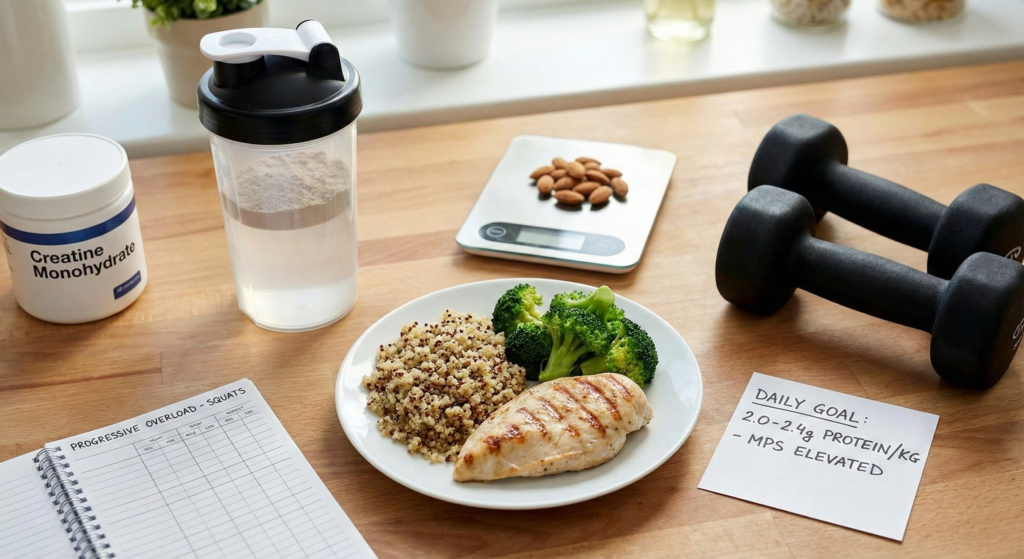
Supplements amplify results but cannot substitute for nutritional precision and progressive resistance training. To maximize the efficacy of supplements to burn fat and build muscle, implement protein intake targets of 2.0-2.4 grams per kilogram of body weight daily, distributed across meals to maintain elevated MPS.
Resistance training frequency should reach four to five weekly sessions emphasizing compound movements and progressive overload. Caloric cycling strategies—maintaining slight deficits on rest days and mild surpluses on training days—enhance the nutrient partitioning effects of supplementation while supporting consistent progress.
Ensure adequate sleep (7-9 hours) to optimize growth hormone release and recovery, as sleep deprivation counteracts even the most sophisticated supplement protocols.
Safety, Quality Control, and Side Effect Management
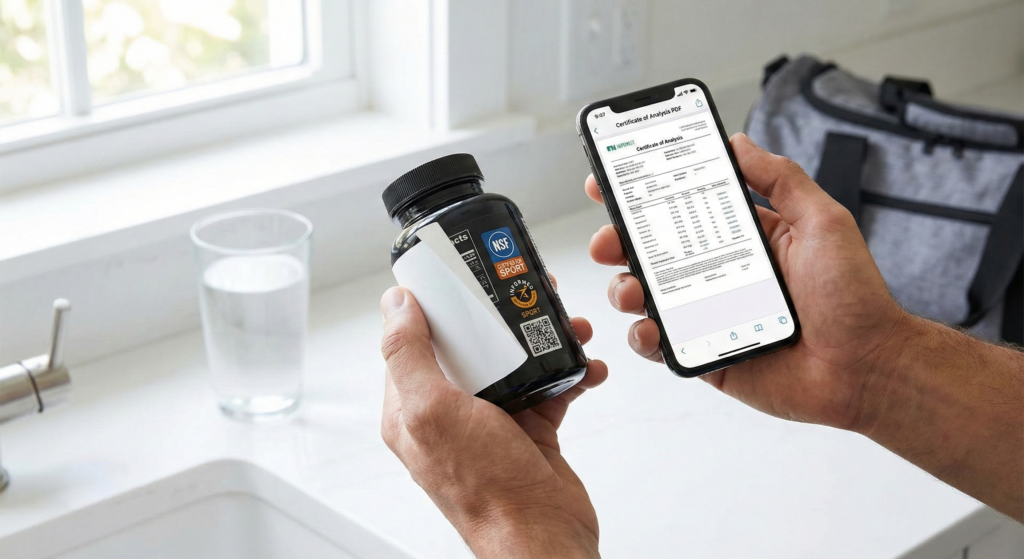
Selecting third-party tested products bearing NSF Certified for Sport or Informed Sport verification ensures purity and prevents inadvertent consumption of banned substances or contaminants. Reputable manufacturers provide certificates of analysis confirming ingredient potency.
Monitor stimulant tolerance carefully, cycling caffeine-containing products every 8-12 weeks to prevent adrenal fatigue and receptor downregulation. Individuals with cardiovascular conditions, anxiety disorders, or those taking prescription medications should consult healthcare providers before implementing thermogenic or hormonal-modulating supplements.
Your Roadmap to Transformation
Achieving simultaneous muscle gain and fat loss requires orchestrating multiple physiological variables through disciplined nutrition, progressive training, and strategic supplementation. The best fat burning muscle building supplement protocols leverage protein powders, creatine, thermogenics, and adaptogens to create an internal environment favoring lean tissue accretion and adipose reduction.
Success demands consistency over months rather than days, viewing supplements as precision tools that enhance—not replace—fundamental lifestyle factors. By implementing the evidence-based strategies outlined herein, you possess the roadmap to achieve the body recomposition results previously considered impossible.