
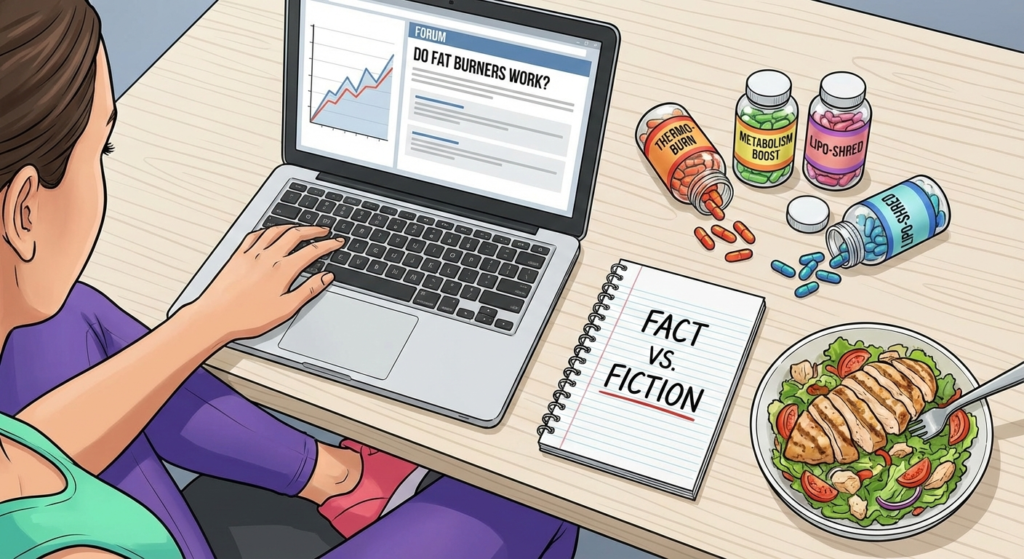
Every year, millions of Americans spend billions of dollars on weight loss supplements, hoping to find a shortcut through stubborn plateaus. The question do fat burners work dominates fitness forums and nutrition consultations, yet the answer remains clouded by aggressive marketing and anecdotal success stories. Before investing in thermogenic capsules or metabolism-boosting powders, understanding the biochemical reality behind these compounds is essential for making informed health decisions.
Understanding Fat Burner Mechanisms and Ingredients
Fat burners operate through three primary physiological pathways: thermogenesis, lipolysis, and appetite suppression. Thermogenic ingredients like caffeine, green tea extract (EGCG), and capsaicin aim to increase your basal metabolic rate by raising core body temperature, theoretically forcing your system to expend more calories at rest. Lipolytic agents such as yohimbine and forskolin attempt to trigger hormone-sensitive lipase, the enzyme responsible for breaking down stored triglycerides into free fatty acids for energy utilization.
Common formulations typically include stimulant blends featuring caffeine anhydrous (ranging from 150-300mg per serving), synephrine from bitter orange peel, and proprietary “matrix” combinations of L-carnitine, conjugated linoleic acid (CLA), and chromium picolinate. Non-stimulant alternatives often rely on soluble fiber like glucomannan to promote satiety through gastric expansion, or acetyl-L-carnitine to purportedly enhance mitochondrial fatty acid transport. While these mechanisms sound promising in theory, their practical impact depends heavily on dosage, individual physiology, and the presence of caloric deficits.
Thermogenic Research: What Clinical Studies Actually Reveal
Peer-reviewed research presents a more nuanced picture than supplement labels suggest. Meta-analyses published in the American Journal of Clinical Nutrition indicate that caffeine can increase metabolic rate by 3-11% and enhance fat oxidation by up to 29% in lean individuals, though obese subjects typically experience diminished thermogenic responses. Green tea catechins combined with caffeine demonstrate statistically significant but clinically modest effects, with studies showing approximately 100-200 additional calories burned daily—equivalent to a medium apple.
However, the body rapidly develops tolerance to stimulatory compounds. Research tracking participants over 8-12 weeks reveals that initial metabolic boosts diminish significantly as adrenergic receptors downregulate and the sympathetic nervous system adapts. Furthermore, much of the immediate weight loss attributed to fat burners stems from diuretic effects rather than adipose tissue reduction, creating a deceptive illusion of rapid fat loss through water weight manipulation. The European Food Safety Authority has specifically rejected health claims for numerous thermogenic ingredients due to insufficient evidence of sustained efficacy beyond acute dosing periods.
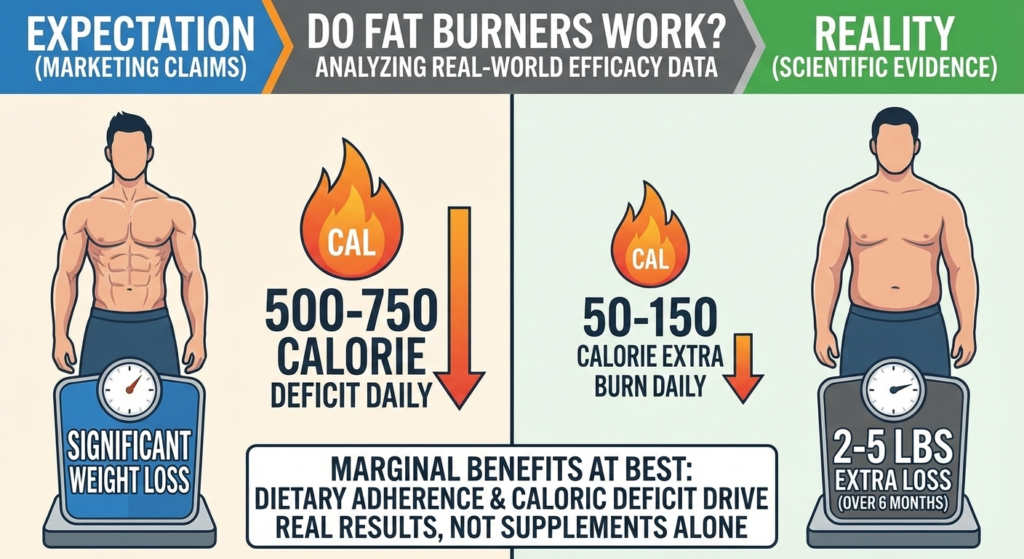
Do Fat Burners Work? Analyzing Real-World Efficacy Data
When evaluating whether do fat burners work in practical applications, the evidence suggests they provide marginal benefits at best. Comprehensive systematic reviews examining randomized controlled trials reveal that subjects using thermogenic supplements lose only 2-5 pounds more than placebo groups over six-month periods—differences that often disappear when accounting for dietary adherence variations. The metabolic enhancement typically translates to burning an additional 50-150 calories daily, whereas creating a meaningful caloric deficit requires 500-750 calories below maintenance for consistent fat loss.
Individual genetic polymorphisms significantly influence outcomes. Those with specific variants of the CYP1A2 gene metabolize caffeine slowly, experiencing pronounced cardiovascular stress without corresponding metabolic benefits. Conversely, fast metabolizers may receive enhanced lipolytic effects but develop tolerance rapidly. The placebo effect also plays a substantial role; studies utilizing blinded protocols show that participants who believe they are taking active fat burners often unconsciously modify behaviors, increasing activity levels or reducing caloric intake independent of the supplement’s pharmacological action.
Real-world data from commercial weight loss programs indicates that successful long-term fat loss correlates strongly with dietary protein intake and resistance training frequency, not supplement consumption. When isolated as variables, thermogenic products show no statistically significant impact on body composition changes after 12 months compared to lifestyle interventions alone. The thermic effect of food from whole protein sources consistently outperforms synthetic metabolism boosters while providing essential nutrients for muscle preservation during caloric restriction.
Are Fat Burners Safe? Side Effects and Health Considerations
Safety profiles for thermogenic supplements raise significant concerns, particularly given the unregulated nature of the dietary supplement industry. Stimulant-heavy formulations frequently cause tachycardia, hypertension, and cardiac arrhythmias, with emergency room visits related to weight loss supplements increasing 500% over the past decade according to FDA adverse event reporting. Green tea extract, often marketed as a gentle alternative, has been linked to hepatotoxicity when consumed in concentrated doses exceeding 800mg of EGCG daily, potentially causing acute liver failure requiring transplantation.
Psychological side effects include anxiety disorders, sleep disruption, and dependency behaviors, particularly with products containing DMAA, yohimbine, or high-dose caffeine blends. These compounds interact dangerously with prescription medications including MAOIs, blood thinners, and thyroid hormones. The FDA does not require pre-market safety testing for dietary supplements, meaning contaminated products containing unlisted pharmaceuticals—such as sibutramine or sildenafil—regularly appear in third-party testing. Individuals with cardiovascular conditions, anxiety disorders, or those who are pregnant should strictly avoid these products regardless of marketing claims regarding “natural” composition.
Common Fat Burner Myths vs. Scientific Reality
The supplement industry perpetuates several persistent myths that contradict physiological science. The most prevalent misconception involves spot reduction—the belief that thermogenics can target abdominal or thigh fat specifically. Research using DEXA scans and MRI imaging confirms that fat mobilization occurs systemically based on individual adipocyte receptor density and blood flow patterns, rendering “belly fat burners” biologically impossible.
Another dangerous myth suggests that fat burners can replace dietary discipline or exercise. In reality, these supplements may increase caloric expenditure by 4-5% at most, insufficient to offset poor nutritional choices. The notion that natural ingredients guarantee safety ignores toxicological principles—arsenic and hemlock are natural, yet lethal. Similarly, claims of “permanent metabolism boosting” contradict homeostatic mechanisms; the body consistently downregulates metabolic rate in response to exogenous stimulation to maintain energy balance. Finally, the promise of immediate results typically reflects water loss through dehydration, not adipose reduction, creating a cycle of disappointment and repeated purchasing.
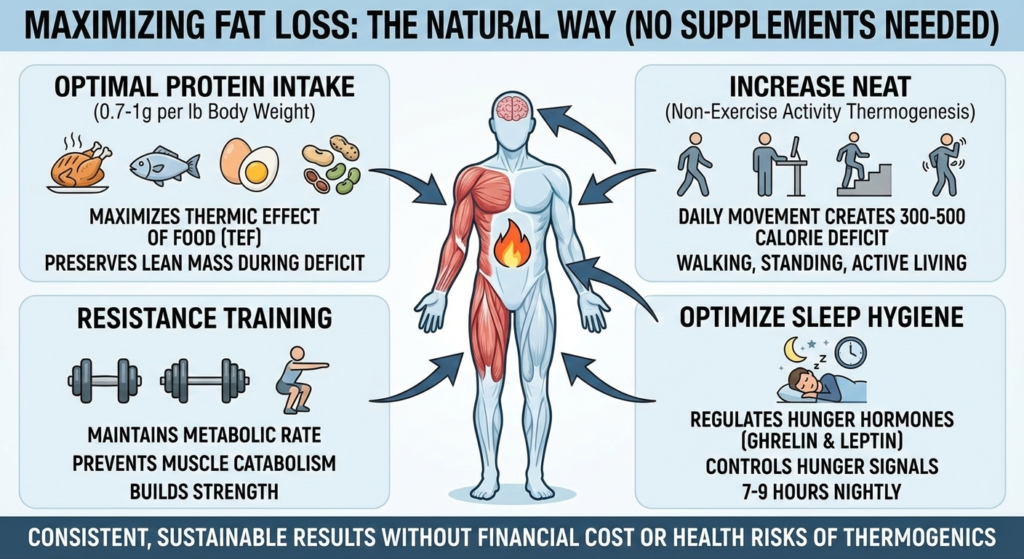
Maximizing Fat Loss Without Dependency on Supplements
Sustainable fat loss requires manipulating energy balance through evidence-based lifestyle modifications rather than pharmacological shortcuts. Prioritizing protein intake at 0.7-1 gram per pound of body weight maximizes the thermic effect of food while preserving lean mass during deficits. Non-Exercise Activity Thermogenesis (NEAT)—daily movement like walking, standing, and fidgeting—can create 300-500 calorie deficits without structured exercise. Resistance training maintains metabolic rate by preventing muscle catabolism, while optimizing sleep hygiene regulates ghrelin and leptin hormones that control hunger signals. These interventions produce consistent, maintainable results without the financial cost or health risks associated with thermogenic supplements.
Final Verdict: Should You Use Fat Burners?
For most individuals, the answer to do fat burners work is technically yes—but the effect size remains so minimal that the cost-benefit analysis rarely justifies usage. If you have already optimized nutrition, training, sleep, and stress management, thermogenics might provide a slight edge for competitive athletes. However, for the general population seeking meaningful body composition changes, investing in quality whole foods, gym memberships, or professional coaching yields superior returns without the cardiovascular risks or financial waste associated with the supplement industry’s promises.