
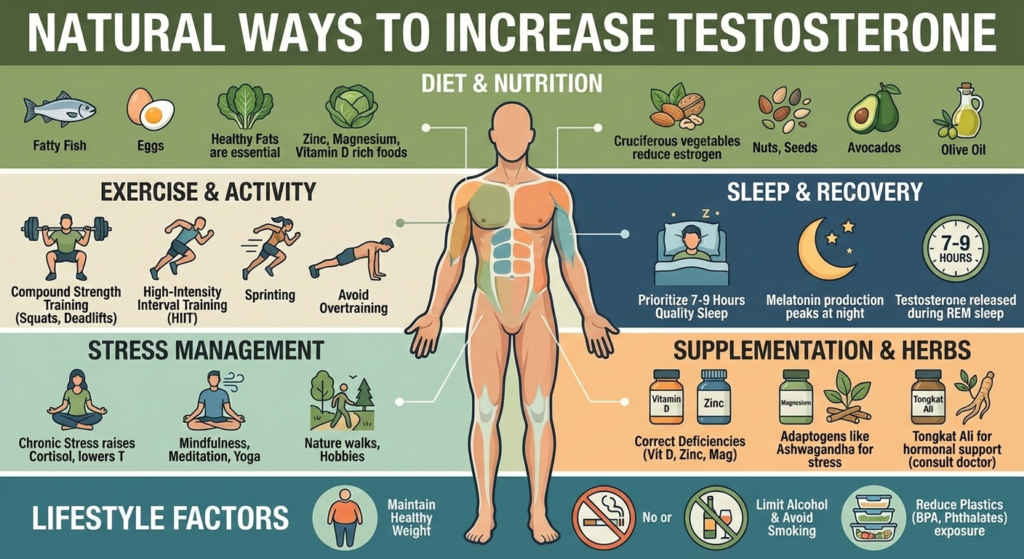
In an era where energy crashes and stubborn body fat have become accepted as inevitable aging symptoms, research reveals a silent epidemic: testosterone levels in men have plummeted by 30% over the past three decades. While testosterone replacement therapy (TRT) dominates headlines with promises of rapid rejuvenation, an increasing body of evidence suggests that sustainable hormonal optimization doesn’t require synthetic interventions. Natural ways to increase testosterone offer a pathway to vitality that enhances overall metabolic health rather than creating pharmaceutical dependency. By addressing the foundational pillars of nutrition, movement, recovery, and environmental toxins, men can reclaim optimal hormonal function through their body’s innate mechanisms. Unlike quick-fix solutions that bypass your body’s natural feedback loops, these lifestyle interventions create lasting physiological changes that support endocrine health for decades to come.
Understanding Testosterone and Its Vital Functions
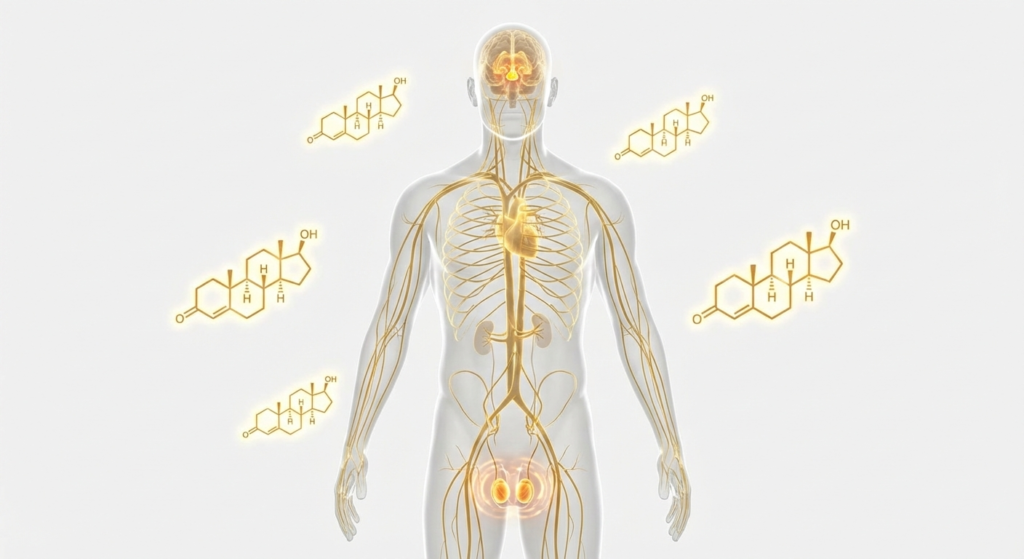
Testosterone functions far beyond its reputation as merely a muscle-building compound. This vital androgen serves as the master regulator of male physiological maintenance, influencing cognitive processing speed, bone mineral density, metabolic rate, and cardiovascular protection. Optimal levels—typically ranging between 300 and 1000 ng/dL—correlate with reduced all-cause mortality and enhanced neuroplasticity. When levels decline, the ramifications extend past the gym: brain fog increases, visceral fat accumulates, and insulin sensitivity deteriorates. From maintaining erythropoiesis (red blood cell production) to regulating mood stability through serotonin pathway interactions, this hormone fundamentally dictates quality of life metrics that determine how you age. Understanding that testosterone operates as a metabolic supervisor rather than simply a sex hormone illuminates why natural optimization strategies yield benefits across every biological system.
Nutritional Foundations: Diet for Testosterone Optimization

Dietary fat serves as the molecular foundation for testosterone synthesis, with cholesterol providing the literal building blocks for steroid hormone production. A diet for testosterone optimization emphasizes both monounsaturated fats from olive oil and avocados and saturated fats from grass-fed beef and egg yolks. Zinc operates as a critical mineral cofactor, with oysters containing unparalleled concentrations, while pumpkin seeds and organic beef provide accessible alternatives. Vitamin D3 functions more as a prohormone than a vitamin, with fatty fish and sensible sun exposure supporting Leydig cell function in the testes. Cruciferous vegetables including broccoli, cauliflower, and Brussels sprouts contain indole-3-carbinol, which assists liver metabolism of excess estrogen that otherwise competes with testosterone for receptor sites. Equally important is elimination: processed sugars drive insulin resistance that suppresses sex hormone binding globulin, while industrial seed oils introduce inflammatory omega-6 fatty acids that disrupt hormonal signaling. Fermented foods support gut health, which influences estrogen clearance through the estrobolome, while magnesium-rich dark leafy greens and Brazil nuts provide selenium for thyroid conversion. The inclusion of organ meats, particularly liver, delivers bioavailable retinol and B-vitamins that support mitochondrial energy production required for steroidogenesis.
Resistance Training and Strategic Exercise Protocols

Mechanical loading through compound movements triggers the most significant neuroendocrine response available through exercise. Heavy resistance training utilizing squats, deadlifts, bench presses, and weighted chin-ups activates large muscle groups, signaling the hypothalamic-pituitary-gonadal axis to increase test levels through acute hormonal spikes lasting 15-60 minutes post-exercise. Research indicates that training protocols emphasizing multi-joint movements with 3-5 sets of 5-8 repetitions at 75-85% one-rep maximum generate optimal testosterone adaptation. High-intensity interval training (HIIT) similarly stimulates anabolic hormones, whereas chronic steady-state cardio elevates cortisol and suppresses testosterone through excessive oxidative stress. The critical caveat involves training volume: overtraining creates a catabolic environment where cortisol chronically exceeds testosterone, leading to central fatigue and hormonal suppression. Strategic programming requires 48-72 hours between intense sessions for full recovery. Incorporating progressive overload ensures continued adaptation, while minimizing training sessions beyond 60 minutes prevents cortisol from overwhelming the temporary testosterone boost. Sprinting, particularly uphill or weighted sled pushes, offers an efficient alternative for those with limited gym access.
Sleep Architecture: The Overnight Testosterone Factory

The majority of daily testosterone synthesis occurs during the first phase of REM sleep, typically between 1:00 AM and 4:00 AM, making sleep architecture arguably the most powerful natural ways to increase testosterone available. Studies demonstrate that sleeping fewer than five hours reduces morning testosterone by 10-15%, effectively aging a man’s hormonal profile by a decade. Circadian rhythm alignment requires consistency—going to bed and waking at identical times daily reinforces the suprachiasmatic nucleus signaling that coordinates hormone release. Practical sleep hygiene protocols include eliminating blue light exposure 90 minutes before bed, maintaining bedroom temperatures between 65-68°F, and ensuring complete darkness through blackout curtains. Avoiding alcohol, which fragments REM architecture, and finishing intense exercise at least three hours before bedtime further protects the overnight anabolic window. Morning sunlight exposure within thirty minutes of waking anchors melatonin rhythms for the following night, creating a hormonal cascade that optimizes growth hormone and testosterone secretion. Consider tracking sleep stages to ensure you’re achieving sufficient deep and REM phases, as sleep apnea—often undiagnosed—can devastate testosterone levels despite adequate time in bed.
Cortisol Management and Stress Reduction Techniques

Cortisol and testosterone exist in an inverse relationship, functioning like a hormonal seesaw where elevated stress hormones inevitably suppress androgen production. Chronic psychological or physiological stress triggers the hypothalamic-pituitary-adrenal axis, diverting precursor molecules away from testosterone synthesis toward cortisol production—a survival mechanism that prioritizes immediate threat response over long-term anabolic functions. Breaking this pattern requires deliberate parasympathetic activation. Mindfulness meditation practices show measurable reductions in cortisol within eight weeks, while adaptogenic herbs like ashwagandha and rhodiola rosea demonstrate clinical efficacy in buffering stress response. Nature exposure, specifically forest bathing, reduces cortisol through phytoncide inhalation and attention restoration theory. Practical techniques include box breathing, vagus nerve stimulation through cold exposure or humming, and boundary-setting around work-related stress. Regular massage therapy and acupuncture have shown measurable impacts on cortisol reduction, while limiting caffeine intake to morning hours prevents evening cortisol spikes that disrupt sleep. Social connection and intimate relationships similarly modulate stress hormones through oxytocin release, creating a biochemical environment where testosterone can flourish without cortisol competition.
Eliminating Endocrine Disruptors and Lifestyle Toxins
Modern environments bombard the endocrine system with xenoestrogens—synthetic compounds that mimic estrogen and disrupt testosterone production at the cellular level. Bisphenol-A (BPA) and phthalates leach from plastic food containers, water bottles, and thermal receipts, binding to androgen receptors while promoting aromatase activity that converts testosterone to estradiol. The relationship between lifestyle and testosterone health demands scrutiny of personal care products containing parabens and sulfates that absorb through skin. Alcohol consumption, particularly beer containing hops (a potent phytoestrogen), directly suppresses testicular function and increases estrogenic activity. Pesticide residues on non-organic produce introduce organochlorines that persist in fatty tissues for years. Transitioning to glass or stainless steel food storage, choosing organic produce for the Environmental Working Group’s “Dirty Dozen,” selecting natural grooming products, and moderating alcohol intake create a low-toxicity environment where natural testosterone production can proceed unhindered by chemical interference.
Evidence-Based Supplementation Strategies
While whole foods form the foundation, strategic supplementation addresses common micronutrient deficiencies that suppress testosterone. Vitamin D3 supplementation at 2,000-5,000 IU daily corrects widespread insufficiencies linked to hypogonadism, particularly in latitudes with limited winter sun. Zinc (25-40mg daily as zinc picolinate) and magnesium (400mg as glycinate or malate) serve as enzymatic cofactors in testosterone synthesis pathways. Boron, a trace mineral often overlooked, demonstrates remarkable efficacy at 3-10mg daily for reducing sex hormone binding globulin and inflammatory markers. Ashwagandha root extract (specifically KSM-66 at 600mg daily) consistently shows 15% testosterone increases in clinical trials through cortisol reduction and direct testicular support. Avoid proprietary blends that hide dosages behind “matrix” labels, and prioritize third-party tested supplements. These compounds work synergistically with the lifestyle interventions outlined above, accelerating results when dietary intake proves insufficient or when stress demands exceed nutritional supply.
The journey to boost testosterone naturally requires understanding that hormonal optimization operates through synergy rather than isolation. No single intervention—whether perfect nutrition or elite sleep hygiene—compensates for deficiencies in other domains. Implementing these strategies simultaneously creates a compounding effect that typically manifests measurable improvements within 12-16 weeks, the approximate timeline for spermatogenesis and Leydig cell regeneration. Before beginning, obtain comprehensive blood work establishing baseline total and free testosterone, estradiol, and SHBG levels to track progress objectively. Unlike synthetic interventions that create dependency and potential fertility suppression, these natural ways to increase testosterone enhance overall metabolic health while restoring endocrine autonomy. The path demands patience and consistency, but the reward—sustainable vitality, cognitive sharpness, and physical capability—reflects the profound adaptability of human physiology when provided the proper environmental inputs.