

Athletes and bodybuilders seeking natural anabolic support have increasingly turned to zma for muscle growth as a cornerstone supplement in their training protocols. This scientifically formulated combination of zinc monomethionine/aspartate, magnesium aspartate, and vitamin B6 has gained prominence for its potential to enhance recovery, optimize hormonal profiles, and accelerate lean tissue development. Unlike synthetic alternatives, ZMA works by correcting common mineral deficiencies that impair protein synthesis and testosterone production. Whether you’re plateauing in strength gains or struggling with post-workout recovery, understanding how this mineral matrix supports hypertrophy can transform your physique development strategy.
What Is ZMA? Understanding the Zinc Magnesium Formula
ZMA represents a specific patented formulation developed by SNAC Systems, combining highly bioavailable forms of zinc and magnesium with pyridoxine (vitamin B6). Unlike standard multivitamins, this precise ratio—typically 30mg of zinc, 450mg of magnesium, and 10.5mg of vitamin B6—utilizes aspartate and monomethionine chelates to maximize intestinal absorption and cellular uptake.
The supplement emerged from observations that intense training depletes critical minerals through sweat and metabolic stress. Zinc functions as a cofactor for over 300 enzymatic reactions, while magnesium regulates neuromuscular transmission and ATP production. Vitamin B6 enhances zinc absorption and supports neurotransmitter synthesis. Together, these compounds create a synergistic environment conducive to anabolic processes, particularly during the nocturnal recovery phase when growth hormone peaks.
Mechanisms: How ZMA Promotes Muscle Growth and Recovery
The efficacy of zma for muscle growth stems from multiple physiological pathways that collectively enhance the anabolic environment. During deep sleep phases, particularly slow-wave sleep, the body releases the majority of its daily growth hormone. Magnesium activates the parasympathetic nervous system, reducing cortisol levels and facilitating the transition into restorative REM cycles where tissue repair accelerates.
Zinc directly influences protein synthesis by stabilizing DNA and RNA structures within muscle cells, enabling efficient transcription of muscle-building genes. It also modulates the activity of metalloenzymes involved in collagen formation and wound healing—critical factors for connective tissue integrity under heavy loading. Furthermore, magnesium regulates calcium channels, preventing excessive muscle excitation that leads to cramping while ensuring proper contraction mechanics during resistance training.
Cellular hydration represents another crucial mechanism. Magnesium maintains electrolyte balance, driving water into muscle cells and creating the volumized state necessary for nutrient transport and amino acid uptake. Additionally, both minerals exhibit antioxidant properties, neutralizing exercise-induced free radicals that otherwise damage muscle membranes and prolong recovery timelines. By optimizing ATP resynthesis and reducing inflammation markers like IL-6, ZMA creates a biochemical foundation for consistent progressive overload.
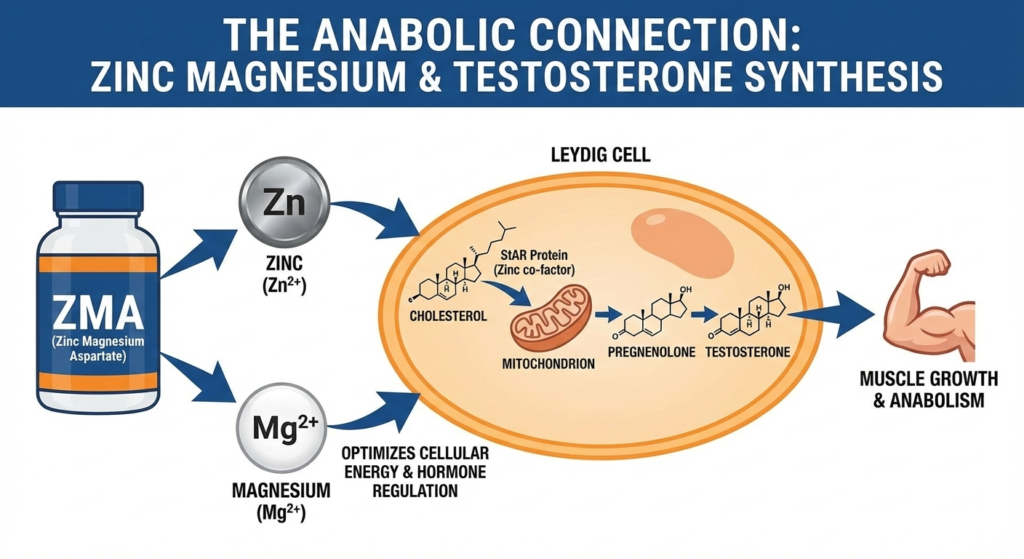
Zinc Magnesium and Testosterone: The Anabolic Connection
Perhaps the most compelling rationale for zinc magnesium supplementation involves endocrine optimization, specifically the modulation of testosterone levels. Zinc serves as an essential component of the steroidogenic acute regulatory protein (StAR), facilitating cholesterol transport into Leydig cells for testosterone synthesis. Research indicates that even marginal zinc deficiency correlates with significant reductions in serum testosterone, while repletion restores hormonal output to baseline.
Magnesium influences bioavailable testosterone through its regulatory effect on sex hormone-binding globulin (SHBG). By reducing SHBG concentration, magnesium increases the fraction of free testosterone capable of binding to androgen receptors in muscle tissue. Clinical investigations demonstrate that combining these minerals produces synergistic effects, with some studies reporting 30-40% increases in free testosterone among trained athletes compared to placebo groups. This hormonal enhancement translates directly to improved strength adaptations, greater IGF-1 expression, and enhanced satellite cell activation necessary for hypertrophy.
Comprehensive ZMA Benefits for Athletic Performance
Beyond direct muscle protein synthesis, ZMA delivers multifaceted performance advantages that support long-term training consistency. Sleep architecture improvements manifest as decreased sleep latency and increased time spent in deep recovery phases, allowing the central nervous system to regenerate from high-volume training blocks. Athletes frequently report enhanced mental clarity and reduced brain fog, attributed to magnesium’s role in NMDA receptor regulation and neuroplasticity.
Immune function receives substantial support through zinc-mediated lymphocyte proliferation, reducing illness-induced training interruptions. Electrolyte balance optimization prevents debilitating muscle cramps during high-rep sets or endurance work, while the anti-inflammatory properties accelerate soft tissue repair between sessions. These systemic benefits create the physiological resilience necessary for sustained progressive overload—the fundamental driver of muscular hypertrophy.
ZMA Dosage: Finding Your Optimal Protocol
Maximizing zma for muscle growth requires precise timing and dosing strategies to enhance bioavailability. The standard protocol recommends 30mg zinc (as monomethionine and aspartate), 450mg magnesium (as aspartate), and 10.5mg vitamin B6, administered 30-60 minutes before bedtime on an empty stomach. This timing aligns peak serum mineral concentrations with nocturnal growth hormone secretion.
Absorption considerations prove critical: calcium and phytates compete with zinc for intestinal transporters, necessitating separation from dairy products and high-fiber meals. Women typically require adjusted ratios (approximately two-thirds the male dosage) to avoid zinc-induced copper depletion. Cycling protocols suggest eight-week continuous use followed by two-week breaks to prevent receptor desensitization and maintain endogenous mineral absorption efficiency. Individuals with documented deficiencies may require loading phases under medical supervision.
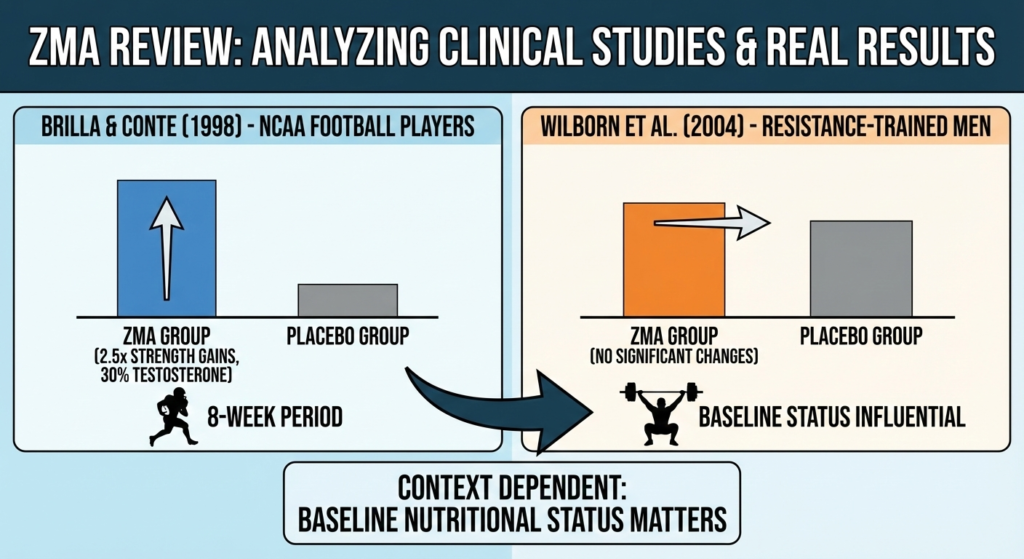
ZMA Review: Analyzing Clinical Studies and Real Results
Scientific evaluation of zma yields compelling though context-dependent results. The seminal 1998 study by Brilla and Conte demonstrated that NCAA football players using ZMA experienced 2.5 times greater muscle strength gains and 30% higher testosterone levels compared to placebo groups over an eight-week period. However, subsequent research by Wilborn et al. (2004) found no significant hormonal changes in resistance-trained men, highlighting that baseline nutritional status profoundly influences outcomes.
More recent investigations suggest that ZMA’s efficacy concentrates primarily in populations with suboptimal zinc or magnesium status—common among athletes due to increased sweat losses and metabolic demands. Koehler et al. (2009) observed that magnesium supplementation significantly increased free and total testosterone in sedentary and active men, particularly when dietary intake was insufficient. Real-world user reports consistently emphasize subjective improvements in sleep quality and recovery velocity, suggesting that even when hormonal markers remain stable, the recovery-enhancing properties contribute substantially to training adaptations and subsequent muscle growth.
Safety Profile and Potential Side Effects
While generally recognized as safe, zinc magnesium supplementation requires awareness of potential adverse effects and interactions. Excessive zinc intake (exceeding 40mg daily long-term) may induce copper deficiency, impairing iron metabolism and cardiovascular function. Magnesium supplementation commonly causes osmotic diarrhea when dosages exceed individual tolerance thresholds.
Contraindications include concurrent use of quinolone antibiotics, tetracyclines, and bisphosphonates, which form insoluble complexes with zinc. Individuals with kidney dysfunction should avoid high-dose magnesium due to elimination challenges. Regular monitoring of serum mineral levels ensures therapeutic efficacy without accumulation toxicity.
Final Thoughts on ZMA for Muscle Development
ZMA for muscle growth represents a scientifically grounded, cost-effective strategy for optimizing the anabolic environment through mineral repletion and sleep enhancement. While not a substitute for proper training and nutrition, this supplement addresses specific physiological bottlenecks that limit recovery and hormonal output in hard-training athletes.